
Ujjayi breath is one of the most recognizable breathing techniques in modern yoga. It is often called “ocean breath” and is commonly taught in vinyasa yoga classes as the breath that carries the movement.
But Ujjayi is also one of the most misunderstood breathing practices in yoga.
In this episode of Let’s Talk Yoga, I speak with Andrew McGonigle about what Ujjayi breath actually is, what happens inside the body when we practice it, and why context matters so much when teaching or using this technique.
This is not a conversation about whether Ujjayi is good or bad. It is a conversation about understanding Ujjayi more clearly.
What are the vocal cords doing?
What role does the diaphragm play?
Why does Ujjayi feel calming for one person and overwhelming for another?
Why is it so often used in modern vinyasa yoga?
And what happens when a breath technique becomes a rule instead of a tool?
Many yoga practitioners first learn Ujjayi as a soft sound in the throat. The cue is often something like “breathe like the ocean” or “fog up a mirror with your mouth closed.”
While those cues can be useful, they do not fully explain what is happening in the body.
In this conversation, Andrew helps us unpack the physiology of Ujjayi breath in a clear and accessible way. We talk about the role of the vocal cords, the narrowing of the throat passage, the diaphragm, and how breath mechanics change depending on whether we are inhaling, exhaling, moving, holding, or resting.
This matters because Ujjayi is not just a sound.
It is a breathing technique with real physiological effects.
Depending on the person, setting, and intensity of practice, Ujjayi can feel grounding, steadying, heating, focusing, calming, or even agitating. This is why yoga teachers need to understand not only how to teach Ujjayi, but when to teach it, how much to use it, and when another approach may be more supportive.
Ujjayi has become deeply associated with modern vinyasa yoga. In many classes, it is treated almost as the default breath for the entire practice.
But should it be?
Andrew and I explore how Ujjayi entered modern postural yoga spaces and why it became so closely tied to flowing asana practices. We also look at what can happen when one breathing technique is used for every student, every class, and every nervous system state.
For some students, Ujjayi can offer steadiness, rhythm, warmth, and internal focus. For others, especially those who feel anxious, breath-restricted, pregnant, overheated, or trauma-activated, it may not always be the best choice.
This is where breath literacy becomes essential.
Yoga teachers need more than one breath cue. Students need more than one option. Breath is personal, contextual, and deeply connected to the nervous system.
One of the bigger themes in this episode is breath literacy.
In modern yoga, breath is often reduced to simple instructions: inhale here, exhale there, use Ujjayi, keep breathing. But there is so much more to understand.
Breath literacy means knowing how different breathing techniques affect the body and mind. It means understanding that the breath can be shaped, softened, lengthened, observed, regulated, or left natural depending on the intention of practice.
It also means recognizing that breath techniques are tools, not goals.
Ujjayi is one tool. Natural breath is another. Breath awareness is another. Kumbhaka, or breath retention, is another. The skill is not in forcing one method onto every practice, but in knowing what is appropriate, useful, and safe for the practitioner in front of you.
In this episode, we also discuss Ujjayi breath through the lens of nervous system regulation and trauma-sensitive teaching.
This is especially important because breath practices can be powerful. For some students, paying close attention to the breath can feel centering and grounding. For others, it can feel intense, uncomfortable, or dysregulating.
The same technique can have different effects depending on the person.
This is why choice matters.
Rather than teaching breath as a rigid rule, we can teach students to notice their own experience. We can give them permission to return to natural breathing when needed. We can help them understand the purpose of Ujjayi without making them feel like they are doing yoga incorrectly if they do not use it.
A mature yoga practice is not one where the student blindly follows every cue. It is one where the student develops awareness, discernment, and agency.
We also touch on the difference between classical and modern approaches to Ujjayi.
In many traditional contexts, Ujjayi is studied as a pranayama technique with specific effects, applications, and progression. In many modern yoga classes, it is used more broadly as a breathing style for movement-based practice.
Both contexts matter.
But they should not be confused.
When we understand Ujjayi only as “the vinyasa breath,” we lose the depth of the technique. When we understand it only as a classical pranayama practice without considering modern students and settings, we may miss how it is actually being used today.
This conversation invites a more nuanced approach.
If you teach yoga, this episode will help you think more carefully about how you cue breath.
Are you asking everyone to use Ujjayi because it is appropriate, or because it is familiar?
Are you offering breath choices?
Are you noticing when a student’s breath becomes strained?
Are you teaching Ujjayi progressively?
Are you helping students understand the purpose of the breath rather than simply asking them to perform it?
Good breath teaching is not about having one perfect cue.
It is about understanding the body, respecting the nervous system, and giving students tools they can actually use.
If you have ever felt confused by Ujjayi, struggled to practice it, or wondered whether you were doing it “right,” this episode will give you a much richer understanding.
You will learn why Ujjayi may feel helpful at some times and not at others. You will also hear why it is okay to breathe naturally, to pause, to soften the technique, or to choose a different approach when your body asks for it.
The breath is not meant to become another place where we perform or force.
It is meant to bring us closer to awareness.
In this episode, we explore:
A yoga teacher who wants to cue breath with more clarity
A yoga student who has struggled with Ujjayi breath
A vinyasa practitioner curious about the role of breath in movement
A pranayama student wanting to understand technique more deeply
A teacher trainer looking for better ways to explain breath practices
A practitioner interested in nervous system regulation through yoga
Someone who wants to move beyond “inhale, exhale” and build real breath literacy
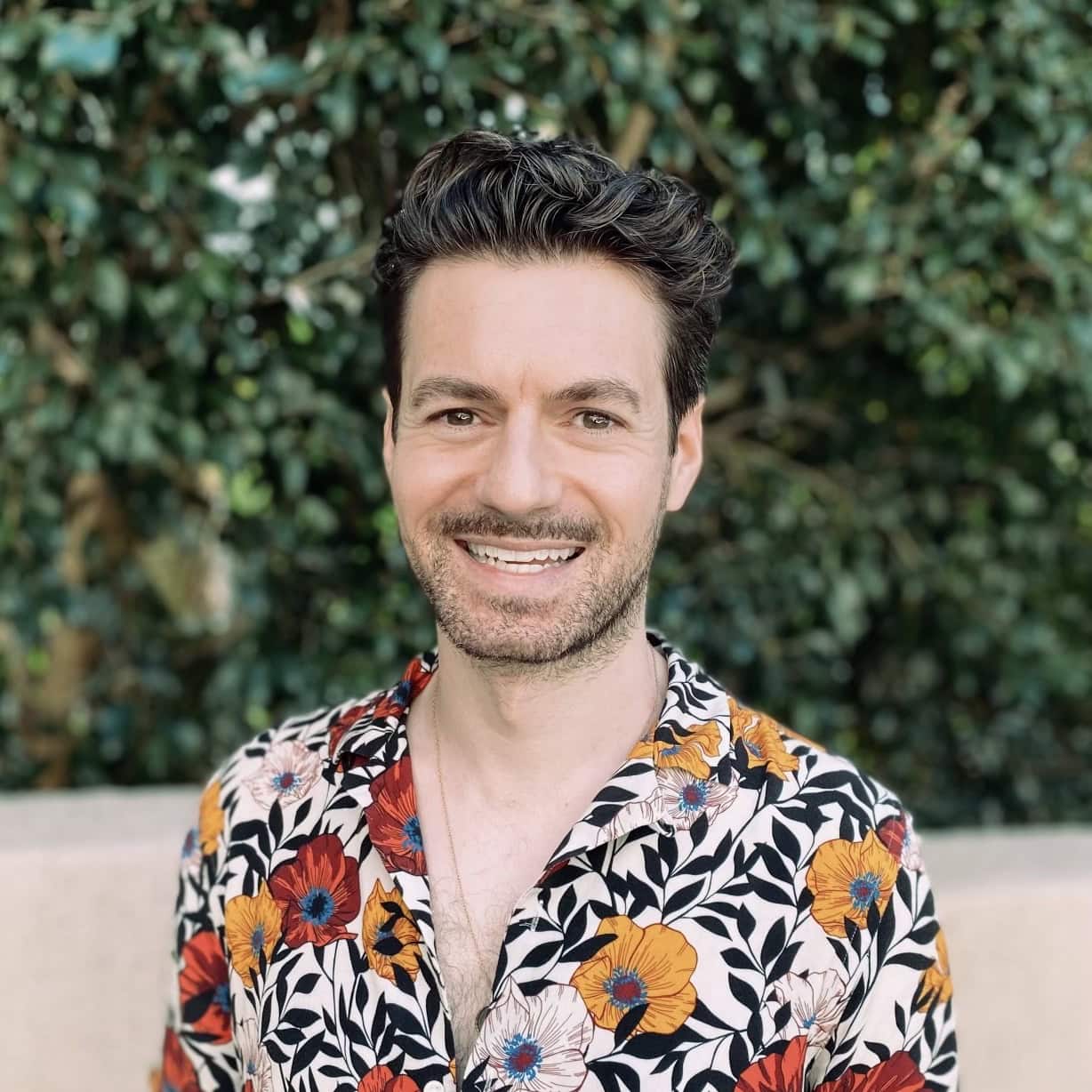
Andrew McGonigle has been studying anatomy for over twenty years, originally training to become a doctor and then moving away from Western medicine to become a yoga teacher, massage therapist, and anatomy teacher. He combines his skills and experience to teach anatomy and physiology on Yoga Teacher Training courses internationally and runs the Enlightened Yoga Collective – an education-based online community membership for yoga teachers. His first book, Supporting Yoga Students with Common Injuries and Conditions: A Handbook for Yoga Teachers and Trainees, was published in March 2021, and his most recent book, The Physiology of Yoga, was published in June 2022. He lives in Los Angeles with his husband. For more information visit: www.doctor-yogi.com Instagram: @doctoryogi Facebook: @doctoryogiandrew